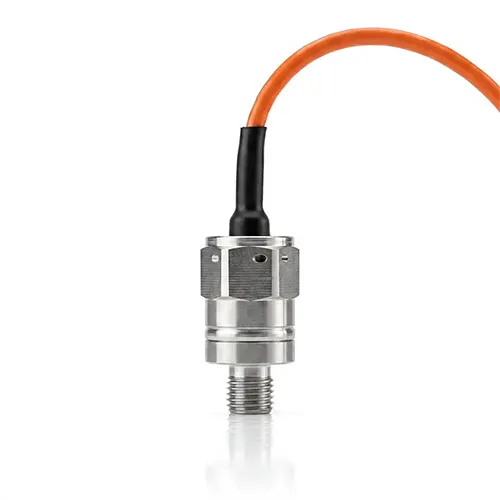
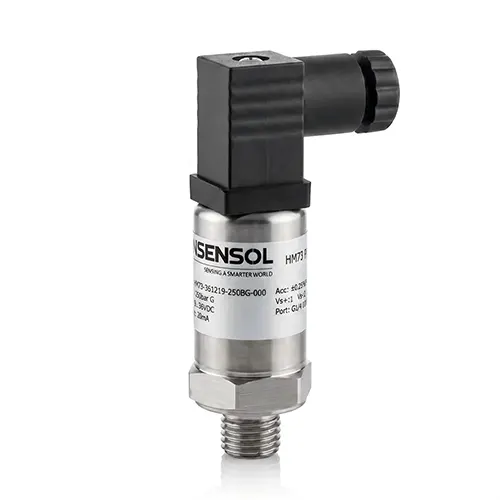
Sensor Applications in Hydraulic and Pneumatic Systems
Sensors play a critical role in hydraulic and pneumatic systems, providing real-time data for monitoring, controlling, and optimizing key operating parameters. Reliable sensor solutions help improve system performance, precision, efficiency, and operational safety across a wide range of industrial applications.
Key Characteristics of Hydraulic and Pneumatic Systems
Hydraulic systems use an incompressible fluid, typically hydraulic oil, to transmit power. They offer high power density, precise control, and stable performance under varying loads, making them ideal for heavy-duty applications that require high force, accuracy, and reliability. Hydraulic systems are widely used in construction machinery, industrial equipment, manufacturing systems, and other demanding applications where durability and precise motion control are essential.
Pneumatic systems use compressed air to transmit power, providing a lightweight and cost-effective solution for many industrial applications. Their relatively simple structure, fast response, flexibility, and ease of integration make pneumatic systems well suited for industrial automation, assembly equipment, material handling, and other light- to medium-duty applications. Compared with hydraulic systems, pneumatic systems generally offer lower power density but greater simplicity and flexibility.
Pressure sensors, temperature sensors, force sensors, and displacement sensors are commonly integrated into hydraulic and pneumatic equipment to monitor critical parameters such as pressure, temperature, force, and position. Accurate sensor data enables precise control, helps detect abnormal operating conditions, and supports preventive maintenance.
Both hydraulic and pneumatic technologies have distinct advantages. Hydraulic systems are well suited for high-force, heavy-duty applications requiring precise control, while pneumatic systems are often preferred where simplicity, flexibility, fast response, and cost efficiency are important. Reliable industrial sensor solutions help optimize system performance, improve equipment reliability, and support safer and more efficient industrial operations.
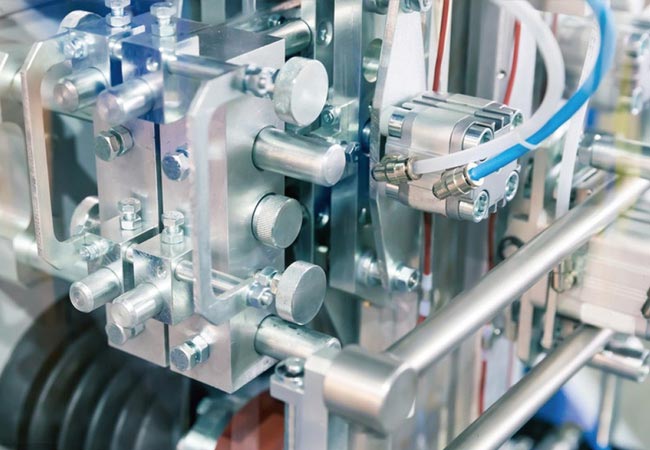
Main Applications of Sensors in Hydraulic and Pneumatic Systems
Sensors play a vital role in hydraulic and pneumatic systems, enabling accurate pressure control, precise motion, efficient fluid management, and reliable equipment operation. From industrial machinery and manufacturing equipment to construction machinery and automated control systems, sensors for hydraulic and pneumatic systems provide real-time data that helps improve performance, prevent equipment damage, reduce downtime, and enhance operational safety.
1. Pressure Sensing
Pressure sensors for hydraulic and pneumatic systems are essential for monitoring system pressure and maintaining safe operating conditions. Hydraulic pressure sensors measure the pressure of hydraulic fluids, while pneumatic pressure sensors monitor compressed air pressure.
Accurate pressure measurements help control valve operation, regulate fluid or air flow, and prevent components from operating beyond their rated pressure limits. Real-time pressure feedback also enables control systems to detect abnormal pressure changes, improve process stability, and protect pumps, cylinders, valves, and other system components.
By maintaining appropriate pressure levels, industrial pressure sensors help improve the efficiency, reliability, and safety of hydraulic and pneumatic equipment.
2. Position Sensing
Precise control of actuators and valves is essential for achieving accurate movement in hydraulic and pneumatic systems. Position sensors, including linear encoders, rotary encoders, and displacement sensors, measure the position of pistons, cylinders, valve components, and other moving parts.
This position feedback allows control systems to adjust actuator movement and maintain the required position throughout an operating cycle. Accurate position measurement is particularly important in automated manufacturing, construction equipment, material handling, and industrial motion control.
By improving positioning accuracy and repeatability, position sensors for hydraulic and pneumatic systems help enhance equipment performance and process reliability.
3. Flow Measurement
Flow sensors for hydraulic and pneumatic systems measure the flow rate of hydraulic fluids or compressed air. Monitoring flow is essential for controlling actuator speed, managing fluid distribution, and ensuring that the system operates within its specified parameters.
In hydraulic applications, flow measurement helps regulate cylinder and motor movement while supporting efficient fluid delivery. In pneumatic systems, airflow monitoring helps optimize compressed air consumption and maintain consistent actuator performance.
By providing real-time flow data, industrial flow sensors help improve energy utilization, system responsiveness, and operational efficiency across a wide range of industrial machinery and automation applications.
4. Temperature Monitoring
Temperature sensors for hydraulic and pneumatic systems monitor the temperature of hydraulic fluids, compressed air, and critical system components. Maintaining appropriate operating temperatures is essential for preventing fluid degradation, reducing component wear, and ensuring long-term system reliability.
In hydraulic systems, excessive fluid temperature can accelerate oil oxidation, reduce lubrication performance, and damage seals and other components. Temperature monitoring helps control systems identify overheating and adjust cooling mechanisms or fluid circulation when necessary.
In pneumatic applications, temperature sensors can monitor compressed air and equipment operating conditions to help detect abnormal thermal changes. This real-time feedback supports equipment protection, preventive maintenance, and reliable system operation.
5. Load and Force Sensing
Load sensors and force sensors measure the force applied by hydraulic cylinders, pneumatic actuators, and other mechanical components. These measurements are particularly important in applications that require accurate force control, such as material handling, lifting equipment, pressing, clamping, and automated assembly.
By providing real-time force feedback, these sensors help control the force applied during operation, prevent excessive loading, and maintain consistent process quality. They can also help detect abnormal loads that may indicate equipment problems or unsafe operating conditions.
When properly integrated into a control system, force measurement sensors help improve the precision, safety, and efficiency of hydraulic and pneumatic applications.
6. Leak Detection
Leaks in hydraulic and pneumatic systems can reduce efficiency, waste resources, damage equipment, and cause unexpected downtime. Leak detection sensors and monitoring systems help identify leakage conditions early so that maintenance teams can investigate and address problems before they become more serious.
In hydraulic systems, leak detection may involve monitoring fluid loss, pressure changes, or abnormal operating conditions. In pneumatic systems, compressed air leak detection may use ultrasonic detectors, pressure monitoring, or flow-based methods to identify air loss.
Early leak detection helps reduce hydraulic fluid waste and compressed air losses, maintain system pressure, protect equipment, and improve overall operational efficiency.
Sensors in hydraulic and pneumatic systems support a wide range of essential functions, including pressure sensing, position measurement, flow monitoring, temperature monitoring, load and force measurement, and leak detection.
Integrating the right sensors into hydraulic and pneumatic equipment improves control accuracy, operational efficiency, system reliability, and workplace safety. Real-time measurement data also supports preventive maintenance, early fault detection, and optimized equipment performance.
As industrial automation continues to advance, reliable hydraulic and pneumatic sensors remain essential for manufacturing equipment, construction machinery, material handling systems, and other industrial applications that depend on precise motion and fluid power control.