Sensor Applications in Automotive Test Benches
Automotive test benches use a wide range of sensors to evaluate and optimize vehicle and component performance, safety, reliability, and efficiency. Accurate sensor data provides engineers with critical insights into vehicle behavior under different operating conditions.
Key Characteristics of Automotive Test Benches
Automotive test benches are specialized testing systems designed to comprehensively evaluate the performance, safety, and efficiency of vehicles and automotive components. These systems integrate various automotive sensors to monitor critical parameters such as engine performance, vehicle dynamics, emissions, transmission efficiency, braking performance, powertrain operation, fuel consumption, and other key characteristics.
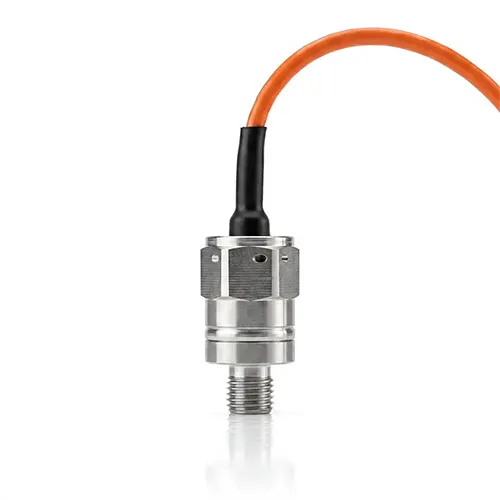
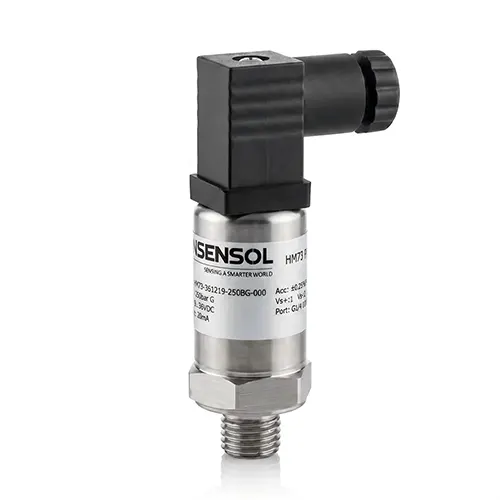
Depending on the testing application, pressure sensors, force sensors, temperature sensors, and displacement sensors can be used to measure and analyze engine combustion conditions, hydraulic pressure, braking force, suspension movement, component temperature, and other critical parameters with high accuracy.
Automotive test benches are typically equipped with advanced data acquisition and analysis systems that collect data from multiple sensors and provide detailed insights into vehicle and component performance under different test conditions. This enables engineers to identify potential issues, optimize system design, validate component performance, and improve overall vehicle reliability.
Automotive testing plays an essential role in ensuring compliance with regulatory requirements, improving vehicle design, optimizing powertrain and braking systems, and validating advanced technologies such as driver assistance systems and vehicle control technologies. Reliable sensor solutions provide the measurement accuracy and stability required for demanding automotive test and development applications.
Main Applications of Sensors in Automotive Test Benches
Sensors play a critical role in automotive test benches by enabling engineers to evaluate vehicle performance, component reliability, emissions, and safety under controlled testing conditions. From engine performance testing to powertrain analysis and thermal management, sensors for automotive testing provide accurate, real-time data that helps optimize vehicle design, improve efficiency, and ensure compliance with applicable industry standards.
1. Engine Performance Testing
Automotive test benches use a variety of sensors to evaluate engine performance under different operating conditions. Temperature sensors, pressure sensors, and flow sensors monitor critical parameters such as coolant temperature, engine oil pressure, and fuel flow rate.
The collected data helps engineers analyze engine output, fuel efficiency, thermal behavior, and overall operating performance. By evaluating these parameters under different loads and speeds, engineers can identify performance limitations and optimize engine design, combustion efficiency, and reliability.
2. Emissions Testing
Automotive emissions sensors play an essential role in vehicle emissions testing and regulatory compliance. Gas analyzers and particulate matter sensors measure pollutants in engine exhaust, helping engineers assess emissions performance and verify compliance with applicable environmental standards.
These testing systems can measure emissions such as carbon monoxide (CO), carbon dioxide (CO₂), nitrogen oxides (NOx), and particulate matter, depending on the test setup. Accurate emissions measurement helps automotive manufacturers develop cleaner combustion systems, reduce harmful pollutants, and improve environmental performance.
3. Vehicle Dynamics Testing
Automotive test benches and vehicle testing systems use sensors to evaluate vehicle dynamics, stability, and handling performance. Accelerometers, gyroscopes, and wheel speed sensors collect data during acceleration, braking, cornering, and other driving maneuvers.
This information helps engineers assess vehicle stability, braking response, traction, and handling characteristics. The resulting data supports the optimization of suspension systems, chassis design, electronic stability control, and overall vehicle dynamics, contributing to improved vehicle safety and driving performance.
4. Powertrain and Transmission Testing
Sensors are widely used to evaluate the performance of automotive powertrains and transmission systems. Torque sensors, speed sensors, and vibration sensors monitor engine and transmission output, helping engineers analyze torque delivery, rotational speed, power transmission efficiency, and abnormal vibration.
These measurements help identify mechanical losses, performance inconsistencies, and potential component faults. By analyzing test data under different loads and operating conditions, engineers can improve powertrain design, optimize transmission performance, and enhance component reliability and durability.
5. Durability and Life Cycle Testing
Sensors for automotive durability testing are essential for evaluating the strength, fatigue resistance, and service life of vehicle components. Strain gauges, force sensors, and temperature sensors measure the mechanical loads, deformation, and thermal conditions experienced by components such as engine parts, suspension systems, and transmission assemblies.
Engineers use this data to simulate real-world operating conditions, analyze material fatigue, and assess component durability over repeated test cycles. These insights help automotive manufacturers identify potential failure points, improve component design, and develop vehicles with greater reliability and longer service life.
6. Thermal Management and Cooling System Testing
Automotive test benches use temperature sensors and thermal imaging systems to evaluate cooling system performance and thermal management efficiency. By monitoring temperatures in key areas, including radiators, engine compartments, coolant circuits, and other heat-generating components, engineers can assess how effectively a cooling system manages heat under different operating conditions.
The collected data helps identify hot spots, evaluate heat transfer performance, and optimize cooling strategies. Effective thermal monitoring is particularly important for preventing engine overheating, improving component reliability, and maintaining stable operating temperatures in both conventional and electrified vehicles.
Sensors in automotive test benches support a wide range of testing applications, including engine performance testing, emissions measurement, vehicle dynamics evaluation, powertrain and transmission testing, durability assessment, and thermal management analysis.
By integrating accurate and reliable sensors into automotive testing systems, engineers can obtain detailed performance data, identify potential problems, optimize vehicle design, and verify compliance with relevant standards. These applications contribute to the development of safer, more efficient, more reliable, and more environmentally friendly vehicles.
As automotive technologies continue to evolve, high-performance sensors for automotive testing remain essential for research and development, quality assurance, component validation, and vehicle performance optimization.