Sensor Applications in Construction Equipment
Industrial sensors play a critical role in modern construction equipment, providing real-time data for equipment monitoring and control. By accurately measuring key operating parameters, sensors help improve machine functionality, safety, efficiency, and overall equipment performance.
Key Characteristics of Construction Equipment
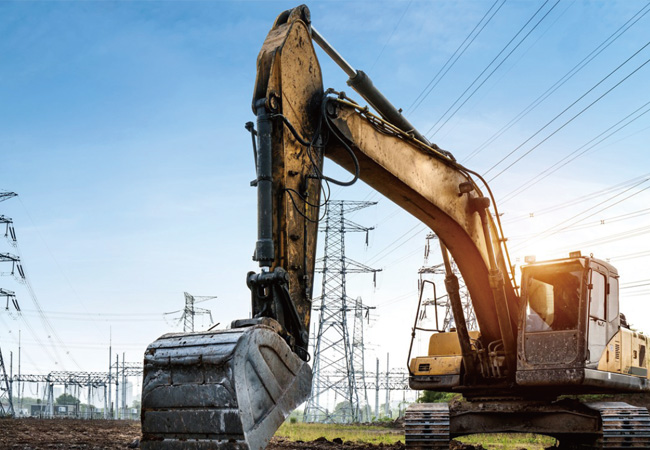
Construction equipment is designed with robust structures and powerful performance to handle demanding working conditions across a wide range of construction projects. Common equipment includes excavators, cranes, loaders, bulldozers, and other heavy machinery, with each machine designed for specific applications.
Heavy-duty construction machinery typically features durable mechanical structures, powerful engines, and advanced hydraulic systems for efficient operation and precise control. Industrial sensors are widely integrated into these systems to monitor critical parameters in real time, helping operators improve equipment performance, identify abnormal conditions, and enhance operational safety.
Pressure sensors, force sensors, temperature sensors, and displacement sensors can be used to monitor hydraulic pressure, temperature, load, position, and other critical parameters. Accurate sensor data supports precise machine control, equipment condition monitoring, preventive maintenance, and improved operating efficiency.
Construction equipment must also adapt to different terrains and demanding jobsite environments. Advanced hydraulic controls, multifunctional attachments, navigation systems, and integrated monitoring technologies help improve machine versatility and productivity. At the same time, operator comfort and safety are enhanced through ergonomic designs, improved visibility, and advanced safety systems.
As construction machinery becomes increasingly automated and intelligent, reliable sensor solutions for construction equipment are essential for improving machine control, safety, efficiency, and long-term reliability.
Main Applications of Sensors in Construction Equipment
Sensors play a vital role in modern construction equipment by improving operational safety, equipment performance, fuel efficiency, and maintenance management. From excavators and bulldozers to cranes and other heavy machinery, sensors for construction equipment provide real-time operating data that helps contractors improve productivity, reduce downtime, and maintain safer working conditions on construction sites.
1. Load Monitoring
Load sensors for construction equipment are essential for monitoring lifting capacity and preventing overloading. Integrated into cranes, lifting equipment, and other heavy machinery, these sensors measure the weight of loads being lifted or transported.
Accurate load data helps operators keep equipment within its rated capacity, reduce the risk of tipping or structural failure, and comply with applicable safety requirements. Load monitoring sensors also help improve lifting operations, optimize material handling, and enhance overall construction site safety.
2. Proximity Detection and Collision Avoidance
Proximity sensors and collision avoidance systems help improve safety in busy construction environments. These sensors detect nearby obstacles, workers, vehicles, and other machinery, providing alerts or triggering integrated safety functions when potential collision risks are identified.
Depending on the system design, proximity detection technologies may include ultrasonic sensors, radar sensors, cameras, and other object detection devices. By improving operator awareness and providing timely warnings, these systems help reduce collision risks and support safer equipment operation in crowded and constantly changing work areas.
3. GPS Tracking and Position Monitoring
Construction equipment often uses GPS technology and positioning systems for accurate location tracking and real-time fleet monitoring. GPS tracking for construction equipment helps contractors locate machinery, monitor equipment utilization, and coordinate operations across large construction sites.
Positioning and tracking data can also support fleet management, resource allocation, route planning, and project scheduling. By improving visibility into equipment location and usage, these technologies help construction companies manage machinery more efficiently and improve overall project productivity.
4. Hydraulic System Monitoring
Hydraulic sensors for construction equipment are critical for monitoring the operating conditions of hydraulic systems. Pressure sensors, flow sensors, and temperature sensors measure key parameters in hydraulic components such as pumps, cylinders, valves, and hydraulic lines.
Real-time monitoring data helps operators and maintenance teams identify abnormal pressure, restricted flow, overheating, and other potential problems. This information supports preventive maintenance, improves hydraulic system performance, and helps reduce unexpected equipment failures and costly downtime.
5. Fuel Efficiency Optimization
Sensors help construction companies monitor and improve the fuel efficiency of heavy machinery. Fuel consumption sensors and engine monitoring sensors provide data on fuel usage, engine operating conditions, and equipment performance.
By analyzing this information, operators and fleet managers can identify excessive fuel consumption, optimize machine operating practices, and schedule maintenance when needed. Effective monitoring helps reduce fuel costs, improve engine efficiency, and support more sustainable construction equipment operations.
6. Operator Safety and Monitoring
Various sensors and monitoring systems help protect operators and improve equipment safety. Operator presence sensors, including seat occupancy sensors, can help verify that an operator is in position before certain machine functions are enabled. These systems can be integrated with interlocks to reduce the risk of unintended operation.
Advanced operator monitoring systems may also use cameras or other sensing technologies to detect signs of fatigue, distraction, or reduced alertness. When properly integrated into equipment safety systems, these technologies can help prevent unauthorized use, reduce operator-related risks, and support safer working conditions on construction sites.
Sensors in construction equipment support a wide range of applications, including load monitoring, proximity detection, collision avoidance, GPS tracking, hydraulic system monitoring, fuel efficiency optimization, and operator safety monitoring.
Integrating appropriate sensor technologies into excavators, cranes, bulldozers, loaders, and other heavy machinery helps improve equipment reliability, operational efficiency, and job site safety. Real-time sensor data also supports preventive maintenance, reduces unplanned downtime, and helps construction companies improve productivity across demanding construction and infrastructure projects.