Sensor Applications in Refrigeration Systems
Sensors play a critical role in modern refrigeration systems by continuously monitoring key operating parameters to maintain optimal system performance, improve energy efficiency, and ensure safe and reliable operation.
Key Characteristics of Refrigeration Systems
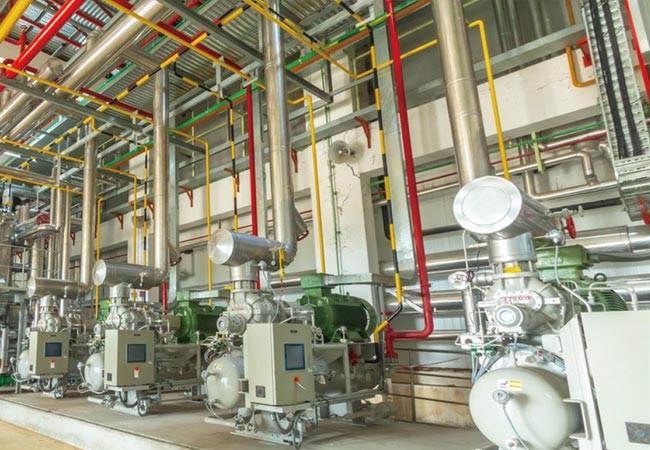
Modern refrigeration systems primarily operate on the vapor-compression refrigeration cycle and typically consist of key components such as the compressor, condenser, expansion device, and evaporator. Refrigerant circulates through the system to absorb and release heat through changes in pressure and phase, enabling efficient cooling.
The compressor increases the refrigerant pressure and temperature before it enters the condenser, where heat is released. The refrigerant then passes through the expansion device, reducing its pressure and temperature before entering the evaporator, where it absorbs heat from the surrounding environment.
Heat exchangers, including condenser and evaporator coils, play an essential role in efficient heat transfer. Modern refrigeration equipment also integrates advanced temperature and pressure control systems to precisely regulate operating conditions and improve overall system performance.
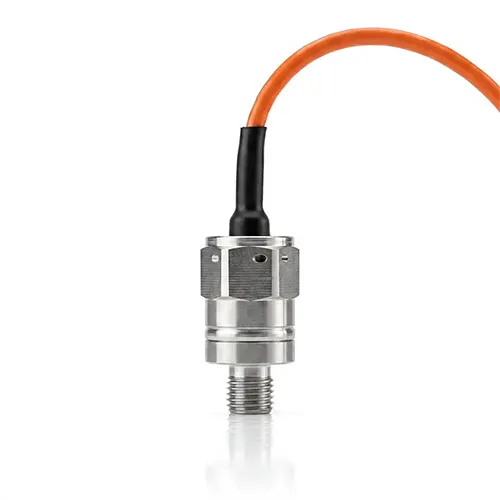
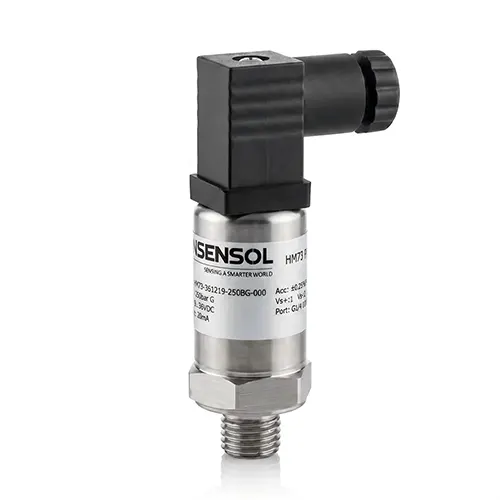
Refrigeration sensors are essential for monitoring critical parameters such as temperature and pressure throughout the refrigeration cycle. Accurate temperature sensors and pressure sensors help maintain stable operating conditions, improve energy efficiency, protect critical components, and support reliable system control.
Energy efficiency, environmentally friendly refrigerants, preventive maintenance, safety protection, and integration with building management systems are also important characteristics of modern refrigeration systems. From HVAC and air conditioning to industrial cooling, cold storage, and food preservation, reliable sensor technology helps refrigeration systems operate more efficiently, safely, and consistently.
Main Applications of Sensors in Refrigeration Systems
Sensors play a vital role in modern refrigeration systems by improving temperature control, energy efficiency, equipment reliability, and operational safety. From commercial refrigeration and cold storage to pharmaceutical storage and industrial cooling, refrigeration system sensors help maintain stable operating conditions and optimize system performance.
1. Temperature Monitoring
Temperature sensors for refrigeration systems provide real-time data to maintain accurate and stable cooling temperatures. They help control system operation and support the regulation of compressor performance and refrigerant flow. Precise temperature monitoring is essential for preserving perishable food, maintaining cold storage conditions, and protecting temperature-sensitive pharmaceuticals and medical supplies.
2. Defrost Control
Frost buildup on evaporator coils can reduce heat transfer efficiency and increase energy consumption. Defrost control sensors monitor temperature conditions and help determine when a defrost cycle is needed. By supporting automatic defrost control, these sensors help prevent excessive ice buildup, maintain reliable cooling performance, improve energy efficiency, and extend refrigeration equipment service life.
3. Pressure and Flow Regulation
Refrigerant pressure sensors and flow sensors help monitor refrigerant circulation and maintain suitable operating conditions throughout the refrigeration cycle. They provide valuable data for controlling compressors, condensers, and expansion valves. Accurate pressure and flow monitoring supports efficient heat transfer, helps prevent abnormal operating conditions, and improves overall refrigeration system performance.
4. Refrigerant Leak Detection
Refrigerant leaks can reduce cooling efficiency, increase operating costs, and create environmental or safety risks, depending on the refrigerant used. Refrigerant leak detection sensors help identify refrigerant leaks so operators can respond promptly. Early detection supports safer operation, helps reduce refrigerant loss, and assists facilities in meeting applicable environmental and safety requirements.
5. Compressor Health Monitoring
Vibration sensors and motor current sensors help monitor the operating condition of refrigeration compressors. Abnormal vibration patterns or changes in current consumption may indicate mechanical wear, electrical problems, or other developing faults. By identifying potential issues early, refrigeration compressor monitoring sensors support predictive maintenance, reduce unexpected downtime, and help extend equipment service life.
6. Energy Efficiency Optimization
Sensors help improve refrigeration system energy efficiency by providing real-time operating data for system control. Temperature and pressure sensors, together with occupancy sensors where appropriate, allow refrigeration equipment to respond to changing loads and actual cooling demand. This helps maintain the required temperature while reducing unnecessary energy consumption and operating costs.
Benefits of Integrating Sensors into Refrigeration Systems
Energy Efficiency: Optimize cooling performance and reduce unnecessary energy consumption.
Product Preservation: Maintain stable temperature conditions for perishable food, pharmaceuticals, and other temperature-sensitive products.
Predictive Maintenance: Detect potential equipment issues early to reduce downtime and maintenance costs.
Operational Safety: Monitor refrigerant leaks and abnormal operating conditions to help protect people, equipment, and the environment.
Sensors are essential components of modern refrigeration systems, supporting temperature monitoring, defrost control, refrigerant pressure and flow regulation, leak detection, compressor condition monitoring, and energy optimization. By providing accurate real-time data, industrial refrigeration sensors help improve system reliability, cooling efficiency, product preservation, and equipment longevity. As refrigeration technology advances, sensor integration continues to play an important role in smarter, more energy-efficient, and more sustainable cooling solutions.