Sensor Applications in the Hydrogen Energy Industry
Sensors play a critical role throughout the hydrogen energy industry, providing essential measurement and monitoring capabilities for system safety, operational efficiency, and performance. Reliable hydrogen sensor solutions help monitor key operating parameters and support the safe and stable operation of hydrogen production, storage, transportation, and utilization systems.
Key Characteristics of Hydrogen Energy
Hydrogen is a versatile and clean energy carrier with significant potential to support the global transition toward a lower-carbon energy system. It can be produced through various processes, including electrolysis and reforming, and can be used across transportation, industrial manufacturing, energy storage, and power generation.
One of the key advantages of hydrogen is its high energy density and versatility. It can be used in fuel cell vehicles, industrial processes, energy storage systems, and power generation. When hydrogen is used in a fuel cell, the primary byproduct is water, making it an important option for reducing carbon emissions when produced and used through appropriate low-carbon pathways.
The wide range of hydrogen applications also creates demanding requirements for sensor technology and process monitoring. Accurate pressure and temperature measurement is essential for monitoring hydrogen production, compression, storage, transportation, and fuel cell systems. Sensors must be capable of operating reliably under conditions involving high pressure, temperature variations, vibration, and potential hydrogen exposure.
As hydrogen infrastructure continues to develop, reliable pressure sensors, temperature sensors, and specialized hydrogen-compatible sensors are becoming increasingly important for equipment monitoring, process control, leak detection, and system safety.
Although the hydrogen industry continues to face challenges related to production costs, infrastructure, and technology development, ongoing advances in hydrogen technologies and growing global investment in clean energy are creating new opportunities. Reliable industrial sensor solutions for hydrogen applications will play an important role in improving system safety, efficiency, and long-term reliability.
Key Applications of Sensors in the Hydrogen Energy Industry
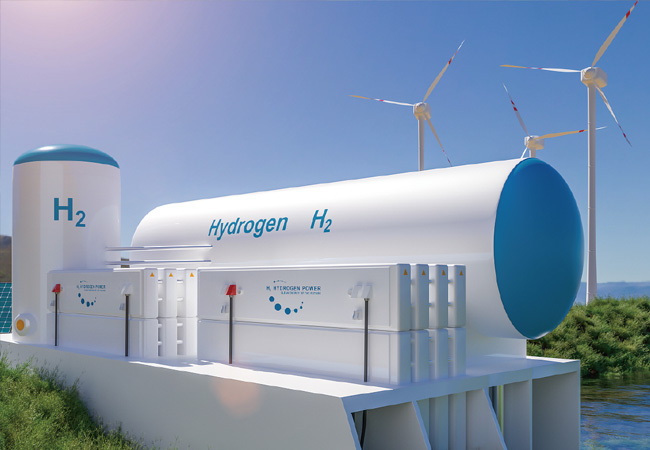
Sensors play a critical role in the hydrogen energy industry, helping improve system safety, operational efficiency, and equipment reliability throughout the hydrogen value chain. From hydrogen production and storage to transportation, distribution, and fuel cell applications, industrial sensors for hydrogen energy systems provide real-time data for process monitoring, leak detection, pressure control, temperature management, and performance optimization.
1. Hydrogen Gas Detection
Hydrogen gas sensors are essential for detecting and monitoring hydrogen concentrations in hydrogen production, storage, transportation, and utilization environments. Depending on the application, these sensors may use metal oxide semiconductor, electrochemical, catalytic, optical, or other solid-state sensing technologies to provide real-time hydrogen concentration data.
By detecting hydrogen leaks early, hydrogen detection sensors can trigger alarms and help operators take prompt corrective action before hazardous concentrations develop. Reliable hydrogen leak detection is essential for improving workplace safety and protecting personnel, equipment, and hydrogen infrastructure.
2. Pressure and Temperature Monitoring
Pressure sensors and temperature sensors for hydrogen systems play a vital role in monitoring hydrogen storage and transportation conditions. Pressure sensors measure pressure inside hydrogen storage tanks, cylinders, pipelines, and related equipment, helping operators maintain appropriate operating conditions during hydrogen handling and storage.
Temperature sensors monitor thermal conditions to help prevent overheating and identify abnormal temperature changes. In high-pressure and low-temperature hydrogen applications, accurate pressure and temperature measurements are particularly important for maintaining system performance and supporting safe operation throughout hydrogen production, storage, transportation, and use.
3. Hydrogen Fuel Cell Performance Monitoring
Sensors are widely used in hydrogen fuel cell systems to monitor and optimize operating performance. Temperature sensors, pressure sensors, and gas sensors provide information about conditions within the fuel cell system, helping control critical parameters such as hydrogen supply pressure, gas flow, reactant concentration, and operating temperature.
Accurate sensor data enables fuel cell control systems to adjust operating conditions, improve energy conversion efficiency, and maintain stable power output. These sensors for hydrogen fuel cells support a wide range of applications, including fuel cell vehicles, backup power systems, and stationary power generation.
4. Hydrogen Purity Analysis
Hydrogen purity is critical to the performance and service life of fuel cells and other hydrogen-powered equipment. Hydrogen purity sensors and gas analyzers are used to identify impurities that may affect system efficiency, damage sensitive components, or interfere with chemical reactions.
Continuous hydrogen purity monitoring helps maintain fuel quality and verify that hydrogen meets the requirements of its intended application. By identifying unwanted contaminants, these monitoring systems help protect fuel cells, improve operational reliability, and support consistent performance across hydrogen energy applications.
5. Electrolyzer Control and Monitoring
Sensors are essential for monitoring and controlling hydrogen electrolyzers, which produce hydrogen by splitting water through electrolysis. Temperature sensors, pH sensors, current sensors, and pressure sensors can be used to monitor important operating parameters, depending on the electrolyzer technology and system design.
By providing real-time data on temperature, electrical current, pressure, and electrolyte conditions where applicable, sensors help control the electrolysis process and maintain stable operating conditions. Effective sensor integration can improve hydrogen production efficiency, support equipment protection, and enhance the reliability and scalability of electrolyzer systems.
6. Leak Detection in Hydrogen Infrastructure
Hydrogen infrastructure, including pipelines, storage facilities, and hydrogen refueling stations, requires reliable leak detection to support safe operation. Hydrogen leak detection sensors use technologies such as semiconductor, electrochemical, thermal conductivity, or optical sensing, depending on the application and required detection performance.
These sensors can detect hydrogen leaks and activate alarms or connected safety systems when concentrations exceed specified thresholds. Reliable hydrogen leak detection is particularly important in enclosed or poorly ventilated areas, where hydrogen may accumulate and create fire or explosion hazards. Properly designed monitoring systems help reduce risks during hydrogen storage, transportation, distribution, and refueling.
Sensors in the hydrogen energy industry support a wide range of critical applications, including hydrogen gas detection, pressure and temperature monitoring, fuel cell performance monitoring, hydrogen purity analysis, electrolyzer control, and hydrogen infrastructure leak detection.
Integrating appropriate sensor technologies into hydrogen energy systems helps improve safety, efficiency, reliability, and equipment service life across the entire hydrogen value chain. Real-time sensor data also supports process optimization, early fault detection, preventive maintenance, and more effective system control. As hydrogen technologies continue to develop, reliable sensing and monitoring solutions will remain essential to the safe and efficient production, storage, distribution, and utilization of hydrogen as a clean energy carrier.