Sensor Applications in Industrial Automation
Industrial automation relies heavily on sensor technology to monitor, control, and optimize manufacturing and industrial processes. By providing accurate real-time data, industrial sensors enable automated systems to operate more efficiently, reliably, and safely across factories, production lines, processing equipment, and other industrial environments.
Key Characteristics of Industrial Automation
Industrial automation integrates advanced control technologies and intelligent systems to streamline and optimize manufacturing processes. Key technologies include industrial sensors, programmable logic controllers (PLCs), human-machine interfaces (HMIs), industrial robots, and communication networks, working together to enable efficient and precise automated operations.
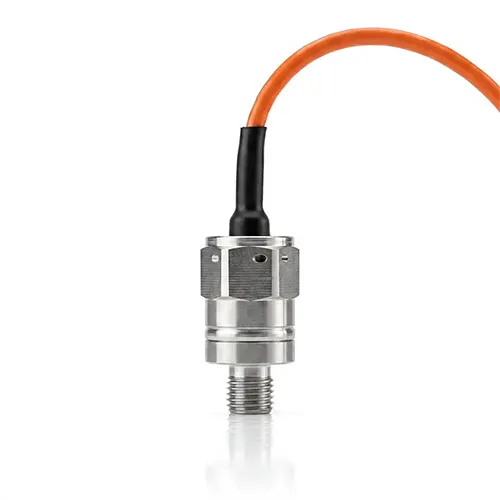
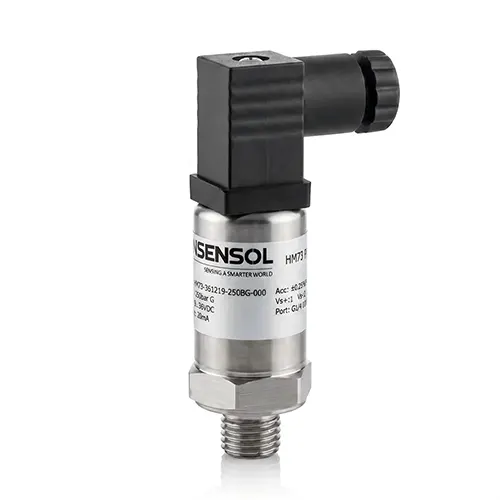
Industrial sensors provide real-time monitoring of critical parameters such as pressure, temperature, force, position, displacement, and other process conditions. Accurate sensor data allows PLC-based control systems to make timely adjustments, helping maintain stable production conditions and improve product quality.
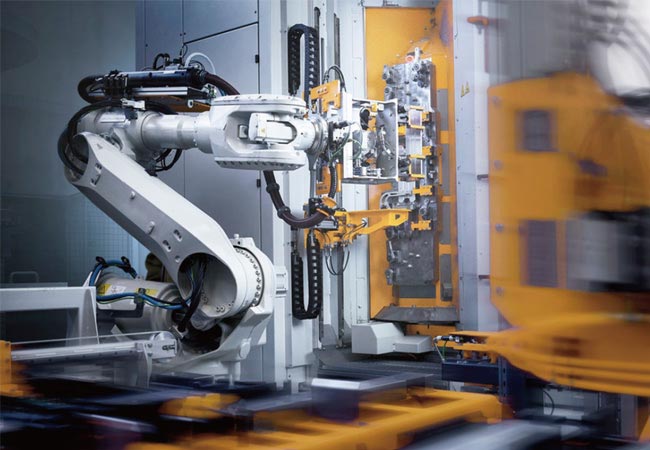
Automation systems also widely use robots for tasks such as assembly, material handling, inspection, and other repetitive operations, improving productivity and precision while reducing manual intervention. Industrial communication protocols enable seamless connectivity between sensors, controllers, machines, and management systems, facilitating real-time data exchange and informed decision-making.
Sensor data combined with data analytics also supports condition monitoring and predictive maintenance, helping identify potential equipment problems before failures occur, reduce unplanned downtime, and extend equipment service life. Safety technologies, including emergency stop systems, machine safety controls, and collaborative robots, further enhance workplace safety.
As industrial automation continues to evolve, scalability, flexibility, energy efficiency, and intelligent control are becoming increasingly important. Reliable industrial automation sensor solutions provide the measurement data required to build smarter, more efficient, and more reliable manufacturing systems.
Main Applications of Sensors in Industrial Automation
Sensors play a critical role in industrial automation systems, enabling precise process control, real-time monitoring, improved production efficiency, and enhanced workplace safety. From automated manufacturing and assembly lines to process control and quality inspection, industrial automation sensors provide essential data that helps machines operate accurately, consistently, and reliably.
1. Position and Presence Detection
In industrial automation, sensors are widely used to detect the position and presence of objects on manufacturing and assembly lines. Proximity sensors, photoelectric sensors, and ultrasonic sensors help identify components, detect objects, and verify their positions throughout automated production processes.
These sensors support accurate machine positioning, automated part handling, and reliable sequencing of production operations. By confirming whether components are present and correctly positioned, position detection sensors help reduce errors, prevent process interruptions, and improve overall manufacturing efficiency.
2. Temperature and Environmental Monitoring
Temperature sensors and environmental monitoring sensors help maintain optimal operating conditions in industrial facilities. They monitor equipment temperatures, detect overheating, and measure environmental parameters to help ensure that operating conditions remain within specified limits.
Real-time temperature and environmental data allow control systems to adjust equipment operation, activate alarms, and identify potential problems before they lead to equipment damage. These industrial temperature sensors help reduce unplanned downtime, protect machinery, and support safer working conditions for both equipment and personnel.
3. Pressure and Force Sensing
Industrial pressure sensors and force sensors are widely used to monitor and control applied pressure and mechanical force in manufacturing processes. They support applications such as material handling, automated assembly, machining, clamping, and hydraulic system control.
By providing real-time measurement feedback, these sensors help maintain consistent process parameters and improve manufacturing accuracy. Reliable pressure and force measurement also helps reduce material waste, improve product quality, and ensure that automated equipment operates within its specified limits.
4. Vibration Monitoring and Motion Control
Vibration sensors and motion sensors are essential for monitoring machine movement, vibration levels, and equipment operating conditions. Accelerometers and gyroscopes can detect abnormal motion, excessive vibration, and deviations from expected operating behavior.
Analyzing these measurements helps maintenance teams identify potential mechanical faults, component wear, imbalance, or other developing problems. This condition monitoring supports predictive maintenance, reduces unexpected equipment failures, and extends the service life of industrial machinery.
In automated systems, motion-related sensors also provide feedback that helps control movement, maintain positioning accuracy, and improve machine performance.
5. Level and Flow Measurement
Level sensors and flow sensors are essential in industrial applications involving liquids, gases, and other process materials. Level sensors monitor the amount of material inside tanks, containers, and storage vessels, helping prevent overfilling, material shortages, and interruptions to production.
Flow sensors measure the flow rate of liquids or gases, supporting accurate process control in applications such as chemical manufacturing, water treatment, and fluid distribution systems. By providing reliable measurement data, these industrial level and flow sensors help optimize resource utilization, maintain process consistency, and improve operational efficiency.
6. Vision Sensing and Image Recognition
Industrial vision sensors and machine vision systems are widely used for quality control, product inspection, and object identification. These systems capture and analyze images to detect defects, verify dimensions, identify components, and check product characteristics against predefined quality requirements.
By automating visual inspection, machine vision technology helps improve inspection speed and consistency while reducing dependence on manual checks. These industrial vision systems can identify defective products earlier in the production process, reduce waste, and support consistent product quality.
Benefits of Integrating Sensors into Industrial Automation
Improved Efficiency
Sensors provide real-time feedback that helps automate processes, reduce material waste, and optimize machine performance, increasing overall production efficiency.
Greater Precision and Accuracy
Accurate sensor measurements enable precise control of industrial equipment and manufacturing processes, helping maintain consistent product specifications and quality standards.
Lower Operating Costs
Sensor-based monitoring helps prevent costly production errors, supports predictive maintenance, reduces unplanned downtime, and improves the use of energy and materials.
Enhanced Workplace Safety
Sensors help detect abnormal operating conditions and potential hazards. When integrated with appropriate control and safety systems, they can trigger alarms or protective actions to support safer working environments.
Data-Driven Decision-Making
Real-time sensor data gives operators and engineers valuable insight into equipment performance and production conditions. This information supports informed decisions, process optimization, and continuous improvement.
Sensors in industrial automation serve a wide range of functions, including position and presence detection, temperature and environmental monitoring, pressure and force measurement, vibration monitoring, motion control, level and flow measurement, and machine vision inspection.
Integrating the right sensors into automated manufacturing and industrial control systems improves precision, efficiency, reliability, and productivity. Sensors provide essential input signals for control systems, enabling equipment to respond to changing conditions, monitor production processes, and maintain consistent operating performance.
As industrial automation continues to advance, industrial sensors remain fundamental to smart manufacturing, predictive maintenance, quality assurance, and the development of more efficient and reliable production systems.